Article Body
The Short Answer
The best microscope for kindergarteners is a durable, LED-lit handheld or bug-viewer style with roughly 10x–60x magnification, large controls, and no fragile parts. Children aged 4–6 succeed with simple scopes far more often than with true compound microscope for kindergarteners.
That one sentence saves most parents and teachers from the most common mistake: buying a microscope for kindergarteners built for a ten-year-old and handing it to a five-year-old.
The rest of this guide explains why, and shows you how to choose, use, and care for a first microscope for kindergarteners that actually gets used.
What Is a Kindergarten Microscope?
A microscope for kindergarteners is a child-friendly magnifying tool designed for ages 4–6. It trades scientific precision for durability, simple controls, and images that are easy to find and focus.
It is not a shrunken lab instrument. A lab-grade compound microscope for kindergarteners has fine focus gears, high-power objective lenses, and glass slides. A microscope for kindergarteners model has an impact-resistant body, a cool LED light, oversized knobs, and often an open design for looking at whole objects like leaves, feathers, and fabric.
You will see these tools sold under many names: children’s microscope for kindergarteners, preschool microscope for kindergarteners, first microscope for kindergarteners, pocket microscope for kindergarteners, bug viewer, or beginner kids microscope for kindergarteners. In practice, they all aim at the same thing: a successful first look at the tiny world.
Why a Microscope for kindergarteners Matters at This Age?
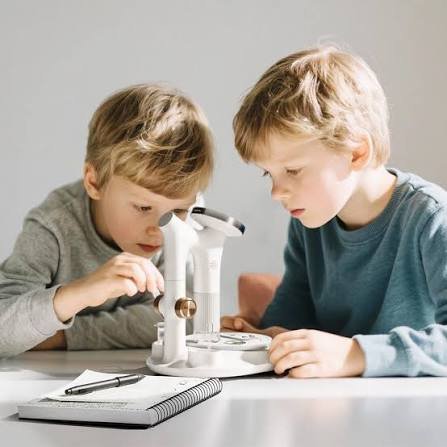
At five, children are natural scientists. They ask what things are made of, why leaves have lines, and where ants go. A microscope for kindergarteners gives those questions something real to land on.
The benefits are practical, not just inspirational:
- Observation skills: noticing texture, pattern, color, and shape
- Vocabulary: words like magnify, tiny, fiber, crystal, and specimen
- Fine motor control: holding a scope steady and turning a focus knob
- Early questioning: the foundation of the scientific method
- Confidence: a child who feels capable of “doing science” tends to stay curious
The goal at this age is wonder, not data. A child who gasps at the hairs on a leaf is learning exactly what you hoped.
Who It’s For, and Who Should Wait?
A microscope for kindergarteners suits children aged roughly 4–6, parents building a home science corner, homeschool families, and teachers running a science station. It also works as a gift when the child already loves bugs, plants, or collecting things outdoors.
It is a poor fit for:
- Children under 3. Small parts and accessories can be choking hazards.
- Children who need detailed cell-level views. That takes a real compound microscope and careful slide preparation, usually in later elementary years.
- Adults hoping a cheap kit will deliver lab results. Entry-level optics have limits, and that is fine.
If your child is still putting everything in their mouth, wait. A simple magnifying glass is a better first step.
Types of Microscope for Kindergarteners
Not every “kids microscope for kindergarteners” is built for a five-year-old. Here is how the main types compare.
Bug Viewers and Magnifier Boxes
A clear container with a magnifying lid, usually in the low single-digit to 10x range. Children place a leaf, seed, or (briefly) a live insect inside and look through the lid.
It is nearly impossible to use wrong, which makes it a strong first choice.
Handheld and Pocket Microscope for kindergarteners
Small, torch-sized scopes with an LED and a focusing wheel, typically around 20x–60x. You hold the lens close to an object and turn the wheel.
They need no slides and no setup, so they work outdoors and in a classroom equally well.
Digital Microscopes
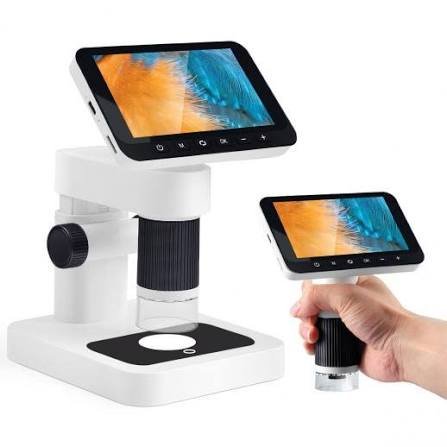
These show the image on a built-in screen or a connected tablet. Their big advantage is shared viewing: several children can see the same specimen at once.
The trade-off is screen time and a less hands-on feel than looking through an eyepiece.
Entry-Level Compound Microscopes
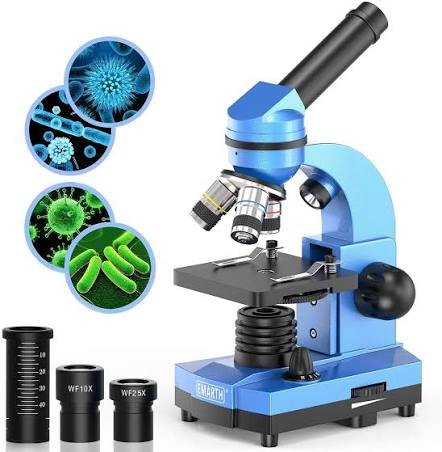
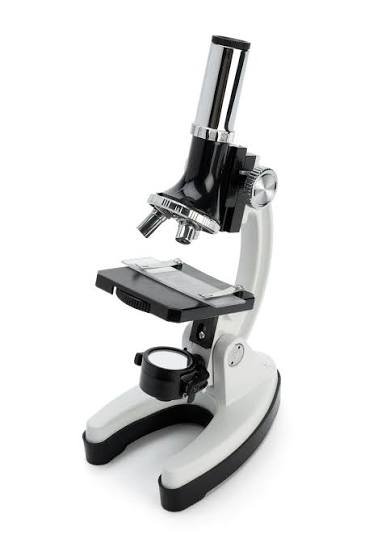
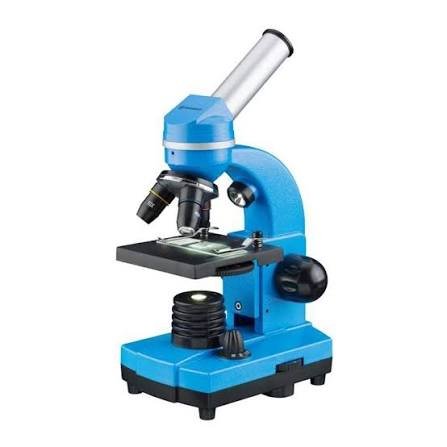
A true optical microscope for kindergarteners with an eyepiece, stage, and objective lenses. Many kid versions start around 40x and go up to several hundred times.
They can work for older microscope for kindergarteners with an adult beside them. Most five-year-olds find the tiny field of view frustrating.
Stereo (Dissecting-Style) Microscopes
These give a 3D view of whole objects at low power. Optics retailers often point to stereo and handheld models as the best fit for young primary-school children, because they do not require high magnification or complex slides.
Toy Play Microscopes
Very low-cost models with minimal optics. Some are fine for pretend play. Others produce blurry images that discourage children quickly, so read parent and teacher reviews before buying.
| Type | Typical power | Ease for ages 4–6 | Durability | Best use |
| Bug viewer | Low | Very easy | High | Outdoors, home |
| Handheld/pocket | Low–moderate | Easy | High | Home, class |
| Digital | Varies | Easy–moderate | Moderate | Group viewing |
| Kid compound | Moderate–high | Hard | Moderate | Older children, with an adult |
| Stereo | Low | Easy–moderate | Moderate | Classroom stations |
| Toy | Varies | Varies | Low | Casual play |
Verdict:
Start with a handheld or bug viewer. Add a stereo or compound scope later.
Magnification:
Why Bigger Is Not Better?
Box claims like “1200x” are one of the most misleading parts of this market. High magnification shrinks the field of view, dims the image, and makes the scope very hard to hold steady. A beginner often sees a blur.
For ages 4–6, a practical range looks like this:
- 2x–10x: easy and forgiving, great for bugs, rocks, and leaves
- 20x–60x: the sweet spot for handheld scopes
- 100x–400x: difficult; needs an adult and prepared slides
- 1000x and above: not recommended at this age
Think of it like binoculars. You want a clear, steady view, not the largest number on the label.
Safety, Age Grading, and Standards
Safety is a top concern for good reason. Check these points before you buy.
Look for:
- A clear age label that fits a microscope for kindergarteners
- Small-parts warnings and no loose detachable pieces for young children
- A secured battery compartment (ideally screw-closed)
- Rounded edges and sturdy plastic
- Non-toxic materials
Standards by region:
- United States: ASTM F963 for toy safety, with CPSC children’s-product requirements
- European Union: CE marking with EN 71 toy-safety standards
- United Kingdom: UKCA marking and the relevant toy-safety rules
- Elsewhere: look for a recognized toy-safety mark and clear importer or manufacturer details
Standards and rules change, so confirm current requirements with the relevant authority or the seller’s documentation.
Two warnings every adult should know:
- Never aim a microscope mirror at the sun. Reflected sunlight can seriously damage eyes. LED-lit models avoid the problem entirely.
- Supervise glass slides. They can chip and cut. Many kindergarten kits use plastic slides for this reason.
What to Look for When Buying?
A Simple Decision Framework
Work through these in order. If a model fails the first two, move on.
- Safe for the age. Right label, no small-parts risks, clear compliance marks.
- Easy to focus. A five-year-old should find an image within a minute or two.
- Low to moderate magnification. Aim for the ranges above.
- Durable body. Assume it will be dropped.
- LED lighting. Cool-running and safe, powered by batteries or USB.
- Included specimens or slides. A starter set prevents the “now what?” problem.
- Room to grow. Can it still be useful at age 8?
Plastic vs. Metal
Plastic is lighter and survives drops better, so it suits kindergarteners. Metal frames are better for older children who will use the scope for years.
Battery vs. USB vs. No Power
Battery models are portable but need checking and replacing. USB models avoid battery doors but tie you to a cable. Some very simple scopes need no power at all, which makes them useful outdoors and in classrooms with limited outlets.
Digital vs. Optical
Choose optical for hands-on skill building and fewer distractions. Choose digital when several children need to see the same image, or when you want to photograph specimens.
Red Flags in Product Listings
Be cautious when you see:
- Huge magnification claims aimed at young children
- No age label or safety marking
- Reviews mentioning blurry images or broken focus wheels
- Dozens of tiny accessories for a preschool-aged child
- No mention of included slides, specimens, or instructions
How to Introduce a Microscope to a 5-Year-Old?
A good first session sets the tone for months. Try this approach.
- Start with a magnifying glass. Let your child get used to looking closely at things.
- Pick one “wow” object. A feather, a leaf, or a few grains of salt work well.
- Show how to hold and look. Demonstrate gently turning the focus wheel.
- Use “I wonder” language. Say, “I wonder what that line is,” and let them guess.
- Keep it short. Ten to fifteen minutes is plenty at this age.
- Draw what you see. A crayon sketch builds observation skills and gives the session a clear ending.
- Pack it away together. This teaches care and routine.
Short, repeated sessions beat one long one. If your child loses interest, stop and try again tomorrow.
What Can Kindergarteners Look At?
Great first specimens:
- Leaves, petals, and tree bark
- Feathers and fabric weaves
- Salt, sugar, and sand
- Newspaper print and paper fibers
- Fruit skin and seeds
- Insect wings found naturally (never harm an insect for a specimen)
Use caution or skip:
- Raw meat or unwashed food
- Pond water and soil, unless an adult supervises and everyone washes hands afterward
- Anything sharp, such as pins or broken glass
A simple “specimen jar” of safe items makes it easy for children to choose what to explore next.
Using a Microscope in a Kindergarten Classroom or Homeschool Group
Group use changes the buying decision. Durability, number of turns, and ease of storage matter more than features.
Setting up a science station:
- Place two or three scopes on a low table, each with a tray of safe specimens.
- Rotate groups of three or four children every ten minutes.
- Add drawing paper and crayons so each child has something to do while waiting.
- Use one digital scope with a screen for whole-class demonstrations.
Connecting it to learning:
Match specimens to what you are teaching, such as plants, insects, the five senses, or “tiny things.”
Buying for a school or center:
- Several handheld scopes often serve more children than one expensive microscope for kindergarteners.
- Ask suppliers about safety certification, warranty and replacement terms, bulk or school invoicing, and educator pricing.
- Choose models with a simple carrying case for tidy storage.
Pricing:
What to Expect?
Prices vary by country, retailer, and season, so treat these as tiers rather than fixed numbers.
| Tier | What you typically get |
| Budget | Bug viewers, basic handhelds, simple toy scopes. Fine for casual play; optics vary. |
| Mid-range | Better lenses, sturdier build, starter slide sets, some digital options. Best value for most families. |
| Premium/classroom | Digital screens, stereo scopes, multi-unit sets, longer warranties. |
A mid-range handheld with good optics usually beats an expensive but complicated model for this age group. Spend on optical quality and durability, not on accessory count.
Where to Buy, and Regional Notes?
Many parents search for kids’ science kits near them because they want to see the product first. Good places to check include educational toy stores, school-supply shops, science museum gift shops, and the toy aisle of large retailers. Online marketplaces fill the gap where local stock is limited.
A few regional points are worth keeping in mind:
- Safety marks differ. Check for the mark that applies in your market (for example ASTM F963 in the US, CE/EN 71 in the EU, UKCA in the UK).
- Batteries and chargers. Confirm that the battery type is easy to find locally.
- Humid climates. Moisture can fog lenses. Store the scope with a dry pack in a closed case.
- Shipping and returns. For imports, check delivery time and whether returns are accepted.
Alternatives If You’re Not Ready
A microscope for kindergarteners isn’t the only way to spark curiosity. Consider:
- A good magnifying glass: the simplest and cheapest start
- A camera with macro mode: great for photographing tiny details
- A nature journal and a hand lens: portable and low-cost
- A visit to a science museum: hands-on microscopes with guides
- Picture books about tiny things: build vocabulary before the tool arrives
Common Mistakes to Avoid
- Choosing high magnification. Low power wins for beginners.
- Skipping supervision. Even “safe” kits include small parts and slides.
- No specimen plan. Without things to look at, the scope sits idle.
- Long sessions. Ten to fifteen minutes is enough.
- Ignoring storage. A dropped, dusty, or damp scope fails quickly.
Care and Storage
- Teach children to treat the microscope for kindergarteners gently from day one.
- Wipe lenses with a soft, dry cloth, never with fingers.
- Remove batteries if you won’t use the scope for a while.
- Keep it in a case or box away from damp areas.
- Store slides and small accessories in a labeled container.
The Upgrade Path
Interest tends to grow. Many children are ready to try a simple compound microscope for kindergarteners around ages 6–8, with an adult helping with slides. At that point, a metal-framed model with several objective lenses and a mechanical stage makes sense. The handheld scope remains useful for outdoor exploring.
FAQ
What kind of microscope is best for a kindergartener?
A handheld or bug-viewer style microscope for kindergarteners with 10x–60x magnification, LED lighting, a durable body, and simple controls. These are the easiest for ages 4–6 to use without frustration.
Can a 5-year-old use a microscope?
Yes, with supervision. Simple handheld and bug-viewer models work well. A compound microscope for kindergarteners is possible but usually needs an adult to prepare slides and help with focus.
What magnification should a microscope for a 5-year-old have?
Low to moderate magnification works best, roughly 2x–60x. Higher powers make the image dim, narrow, and hard to find, which tends to discourage beginners.
Are kids’ microscopes worth it?
They are when the optics are decent and an adult engages with the child. Very cheap models can produce blurry images and lose a child’s interest, so reviews and build quality matter more than price alone.
What age is appropriate for a real microscope?
Many children can try a simple compound microscope around ages 6–8 with guidance. Independent use with prepared slides generally comes later. Microscope for kindergarteners usually do better with handheld or stereo-style scopes.
Are kids’ microscopes safe?
Generally yes, when the product carries the right age label and safety marks and has no small detachable parts. Never aim a mirror at the sun, and supervise glass slides and battery compartments.
Digital or optical microscope for kids?
Optical models build hands-on skill and avoid extra screen time. Digital models are better for group viewing and photographing specimens. Many classrooms use one of each.
What can kindergarteners look at under a microscope?
Leaves, feathers, fabric, salt, sand, bark, seeds, and paper fibers are safe and interesting. Avoid raw food, pond water without supervision, and anything sharp.
How do I get my child interested in science?
Follow their questions, keep sessions short, and let them choose what to explore. Drawing what they see, collecting safe specimens on walks, and asking “I wonder” questions help turn curiosity into a habit.
Is a classroom set better than one microscope?
For groups, several simple handheld scopes usually give more children more turns than one expensive microscope for kindergarteners. Rotating stations with specimen trays keep everyone involved.
Conclusion
For kindergarteners, the best microscope for kindergarteners is the one a child can actually use. Prioritize safety, ease of focus, low magnification, and durability over big numbers on the box.
Here is a simple path to follow:
- Decide the setting home, classroom, or gift.
- Choose the type a bug viewer or handheld scope suits most children aged 4–6.
- Check safety look for the right age label and the safety marks used in your region.
- Pick a mid-range option for better optics without paying for extras you won’t use.
- Prepare ten safe specimens so the first session starts easily.
- Keep sessions short and drawn-out afterward with a crayon sketch.
- Revisit a compound microscope for kindergarteners when your child is ready, usually a few years later.
Start small, stay curious, and let the first “wow” happen.
These information about Projector Rental are gathered from different surveys, medical tests and tech giants like Techradar and more. Our top priority is to provide you valuable information.
For More Details About Different Projectors Click Here